La Llotja Towers

Lleida

Architects
Francesc Buixeda, Maria Barcina
Contractor
Engineering consultor
Client
Metrovacesa
Structural consultor
Photographer

CONTEXT

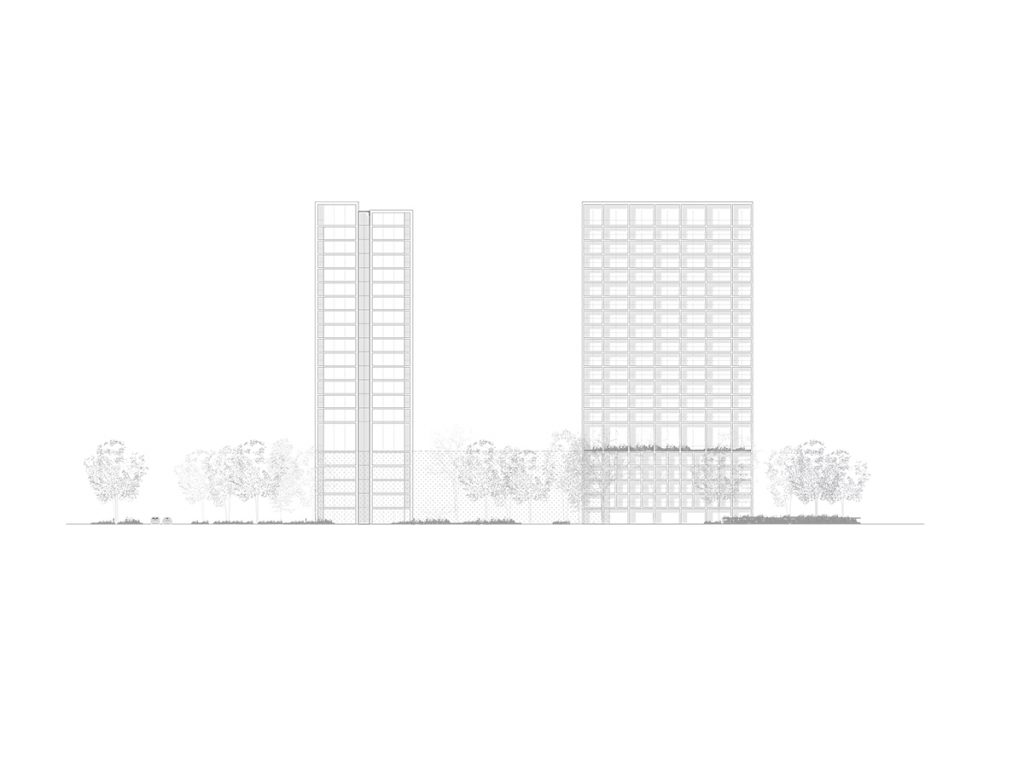
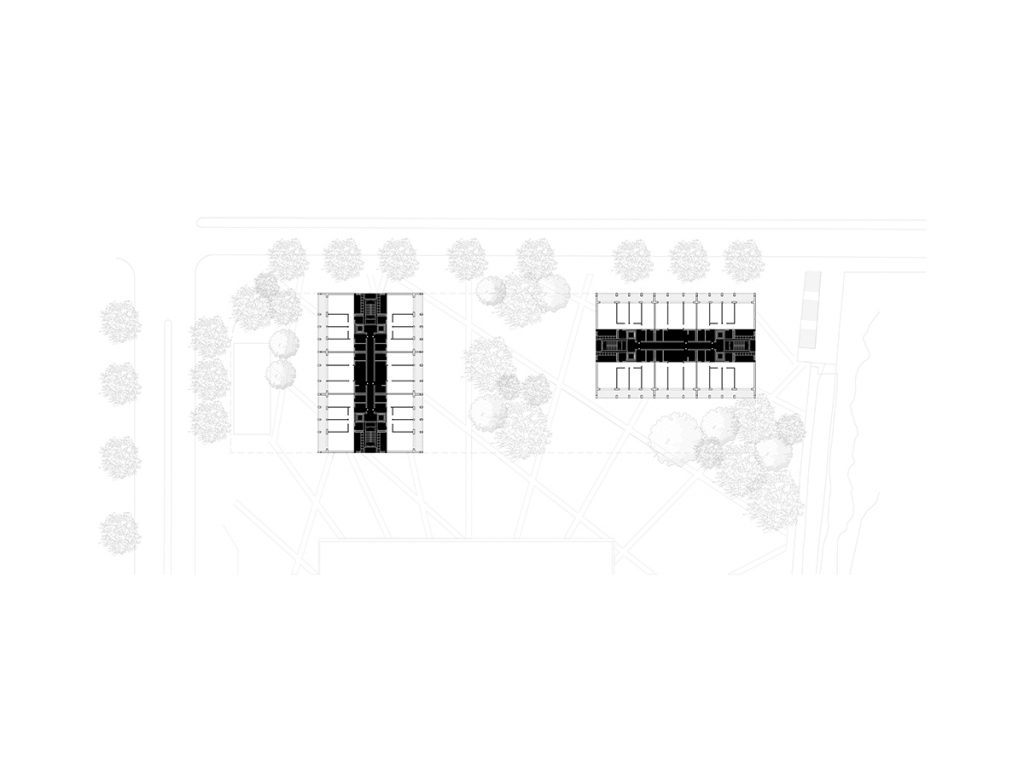
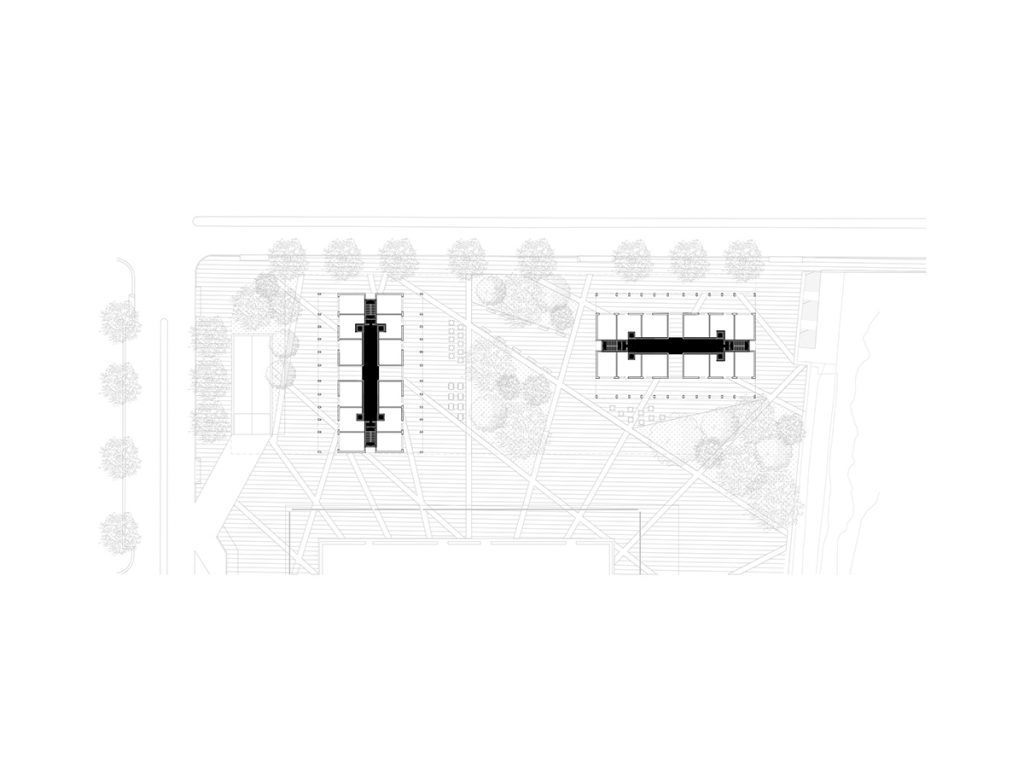
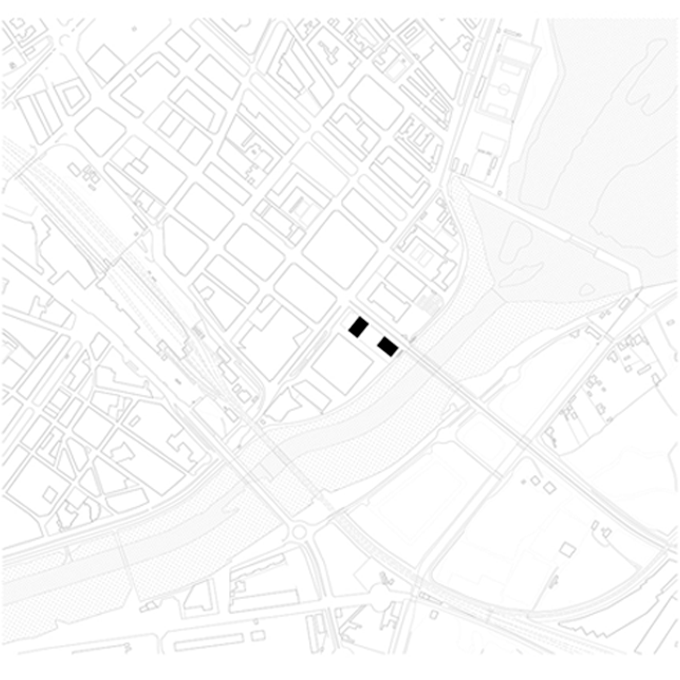
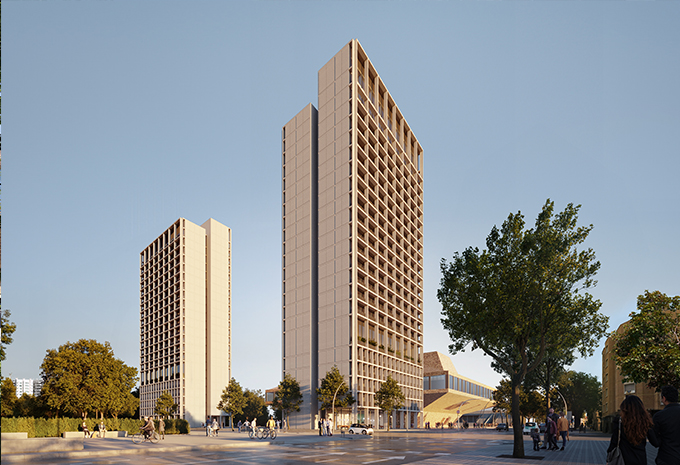
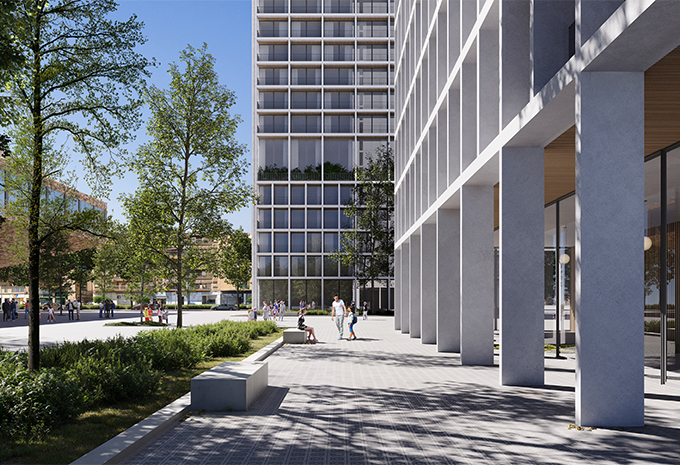
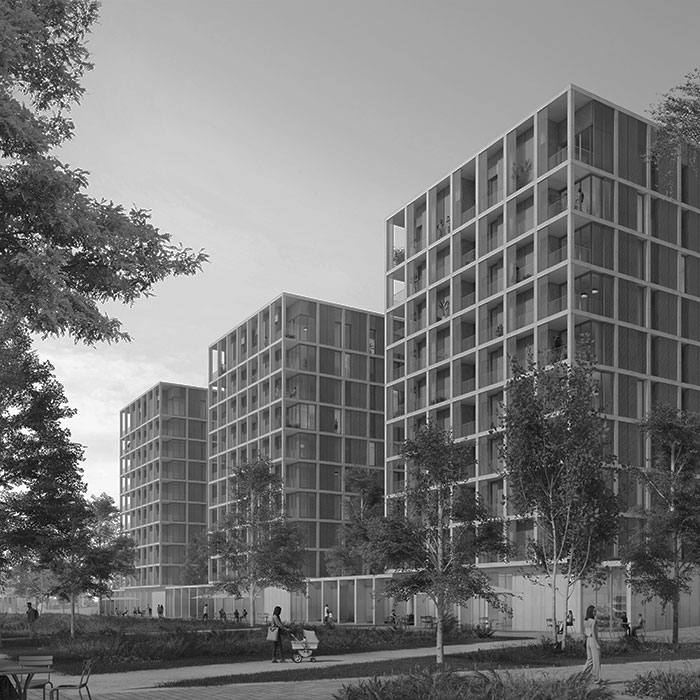
The Llotja Towers are located opposite the Llotja Palace in Lleida, on a narrow site along the Segre River within a strategic urban regeneration area. The project is conceived as an intervention capable of strengthening the connection between the city center, the cultural complex, and the riverfront, enhancing pedestrian continuity and visual permeability. The placement of two slender towers allows the ground level to remain largely open, creating a central plaza conceived as a new civic space for interaction and public activity, integrated into the urban fabric and contributing to the city’s skyline.

ORGANIZATION

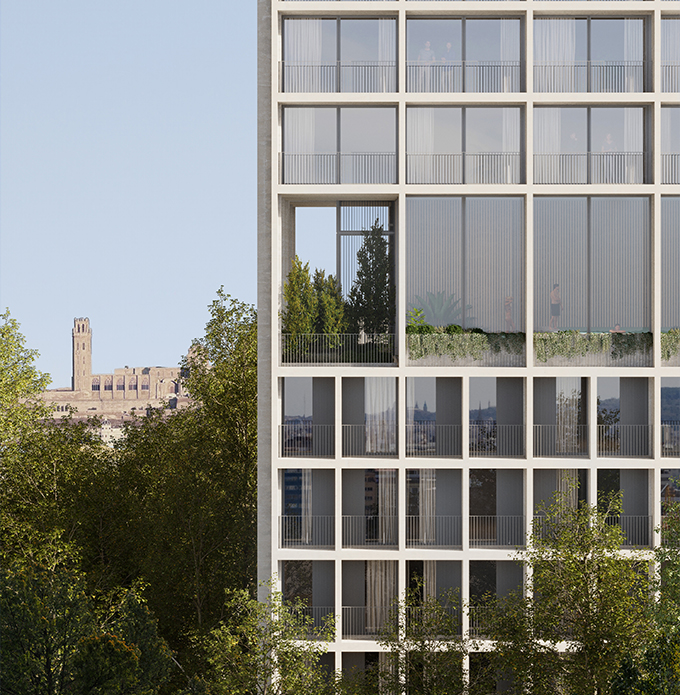
The proposal concentrates the building volume into two independent residential towers in order to maximize the amount of public space at ground level. The ground floor accommodates the entrances to both buildings as well as a commercial unit that activates the central plaza. Each tower is organized around an efficient vertical circulation core, while the typical floors contain residential units designed to ensure high levels of natural light, ventilation, and connection to the exterior through integrated terraces. The development is complemented by an elevated communal level that includes a swimming pool, coworking spaces, multipurpose rooms, and landscaped areas, creating a shared environment with views over the city and the river.

MATERIALITY

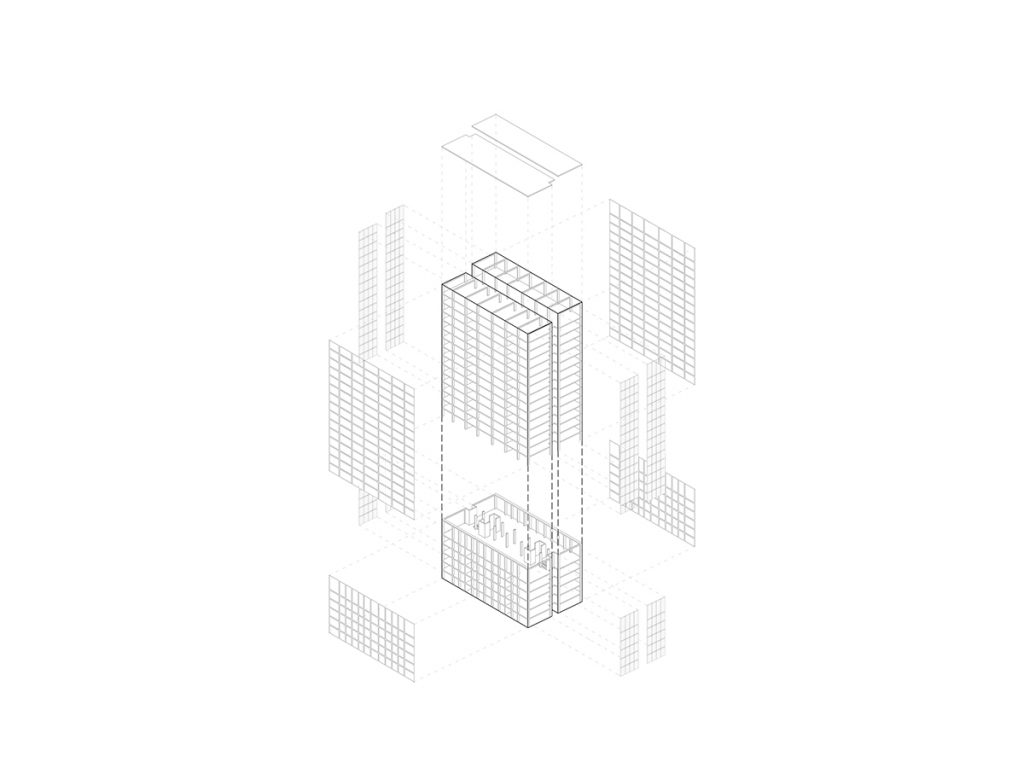
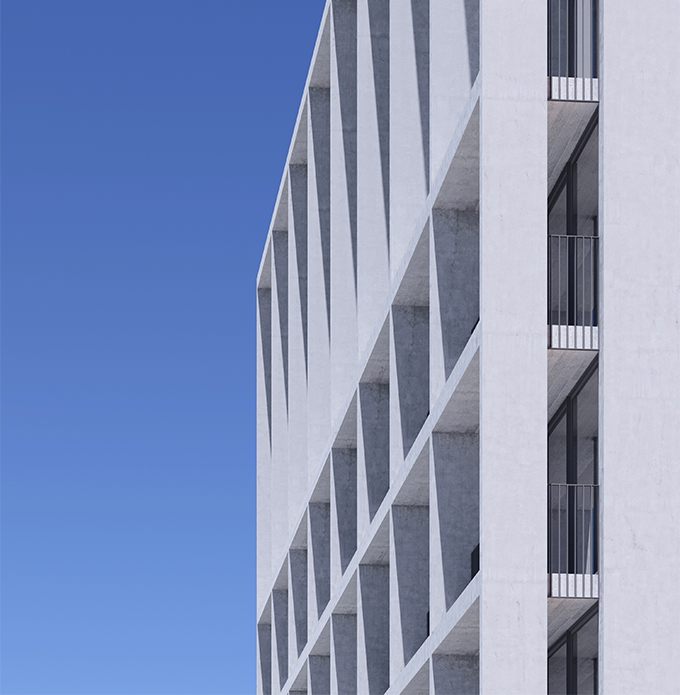
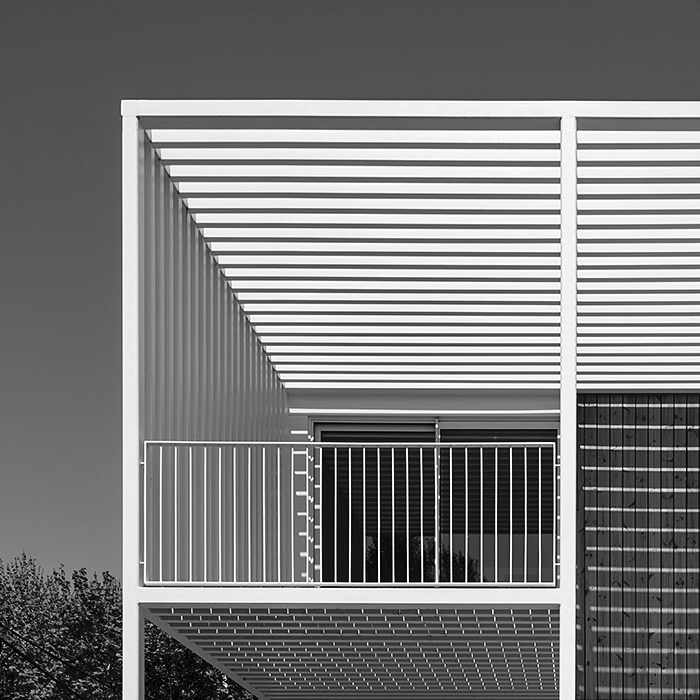
The architecture is based on a clear and rational structural system composed of a central wall and a perimeter grid of columns located within the terrace zones. This arrangement frees the interior spaces from intrusive structural elements while expressing the building’s constructive logic through the façade. Post-tensioned slabs allow for long spans with optimized material use, increasing flexibility within the residential units. The material palette consists of exposed concrete, precast concrete panels, metal elements, and continuous mortar finishes, resulting in a sober, durable, and coherent architectural expression. Sustainability is addressed through industrialized construction processes, passive environmental strategies such as cross ventilation and solar protection, and the optimization of material and energy resources.

By continuing to use the site, you agree to the use of cookies. more information

The cookie settings on this website are set to "allow cookies" to give you the best browsing experience possible. If you continue to use this website without changing your cookie settings or you click "Accept" below then you are consenting to this.
Close